
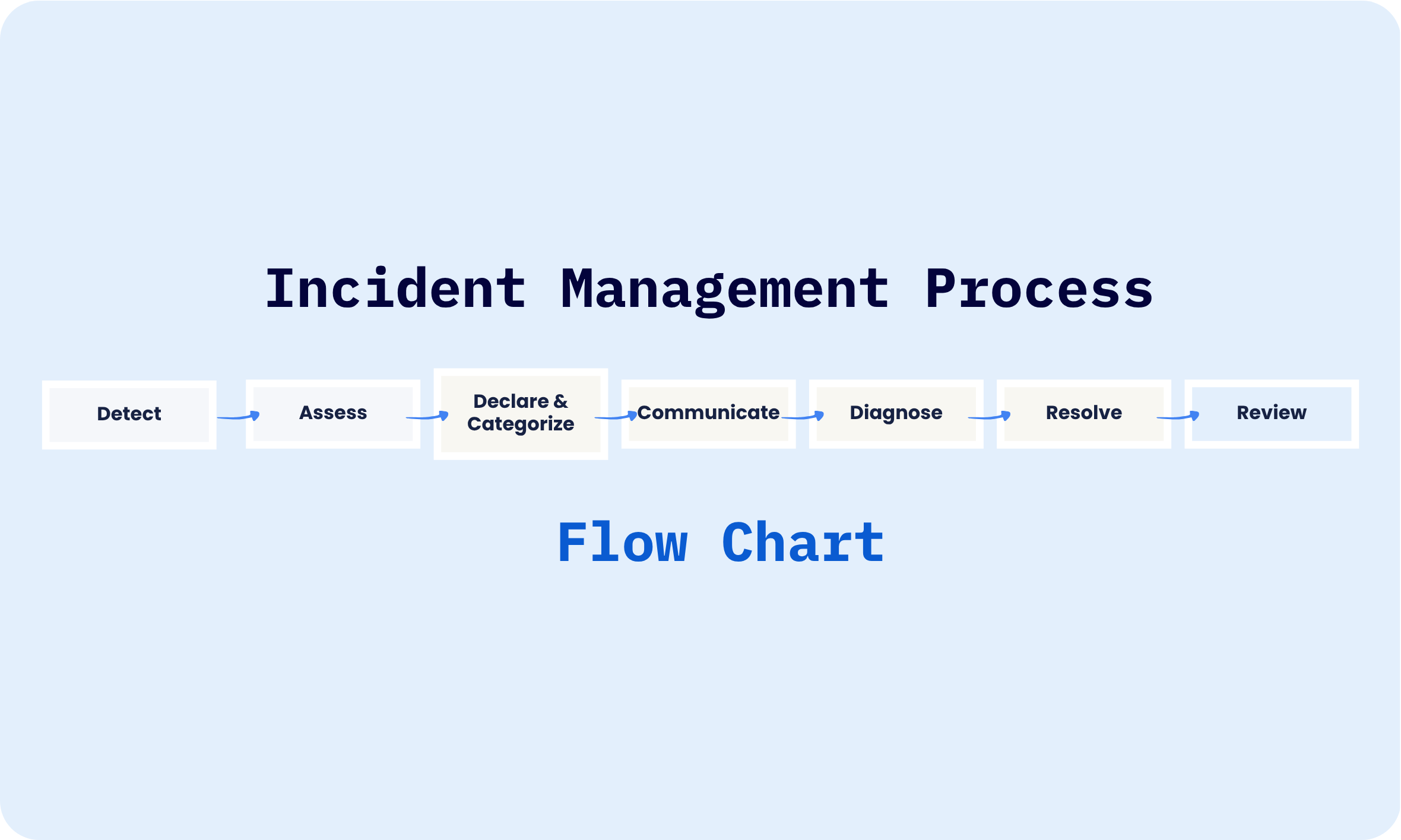
Get your free incident management process flow chart now
Presenting: a realistic incident response workflow for complex, high-pressure systems.
Incidents are exploratory, iterative and often messy. This workflow model reflects the reality of how responders detect, mitigate, communicate, resolve, and learn from incidents (without pretending the process is linear).
Trusted by teams building world-class incident response












An expertly visualised guide to the incident management process
It’s a practical guide based on decades of incident management expertise.

Beth Adele
A nuanced overview
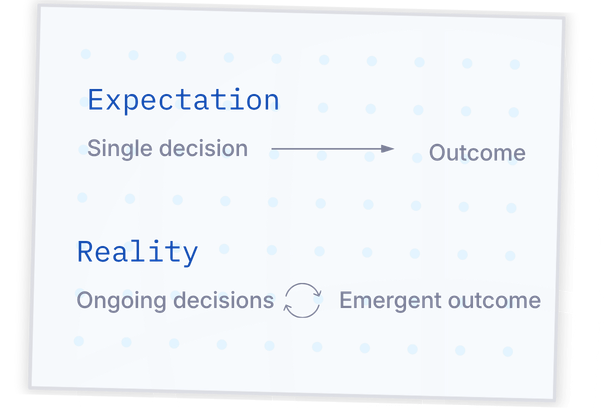
This workflow intentionally simplifies incident response – but only enough to be useful. It highlights the cyclical nature of incidents, the overlap between activities and the human judgment required to move forward.
Improved communication
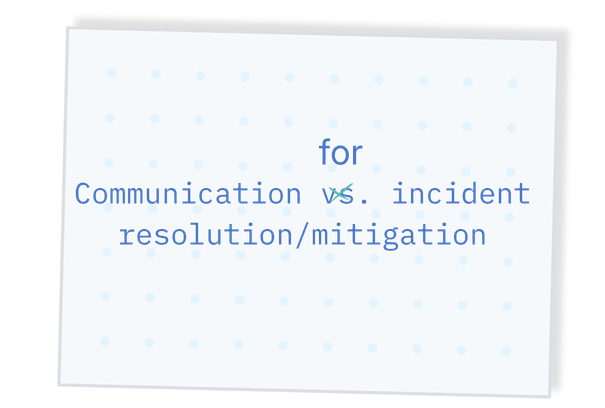
Beth’s workflow explicitly treats communication as a parallel activity, not a step that competes with response work, enabling responders to spend less time managing confusion and more time coordinating impactful action.
An honest look at a complex reality
A model that reflects reality:
This workflow is meant to be honest. Being exhaustive or prescriptive is therefore misleading.
By acknowledging the cyclical, judgement-driven nature of incident response, teams can build processes and training that actually support responders.

FAQ
How is this different from traditional incident response models?
.svg)
The template covers multiple IC program structures, including lightweight models suited to smaller teams or lower incident volumes. The core principles of clear communication, role separation,and coordination apply regardless of the team size or incident frequency.
Does this apply to both reliability and security incidents?
The template covers multiple IC program structures, including lightweight models suited to smaller teams or lower incident volumes. The core principles of clear communication, role separation,and coordination apply regardless of the team size or incident frequency.
Do teams need specific tooling to use this workflow?
The template covers multiple IC program structures, including lightweight models suited to smaller teams or lower incident volumes. The core principles of clear communication, role separation,and coordination apply regardless of the team size or incident frequency.

Ready to make incident response your competitive advantage?
See how Uptime Labs builds provable, scalable incident response capability across your financial services organisation.