Top 7 Cybersecurity Incident Response Training Platforms for SREs in 2026

Ready to make incident response your competitive advantage?
See how Uptime Labs builds provable, scalable incident response capability across your financial services organisation.
When a critical security incident strikes your organisation, the effectiveness of your response depends heavily on your team's preparation. In other words, you fall to your highest level of preparation (to quote Chris Voss). SRE & DevOps teams have uniquely challenging and multi-faceted expectations: they must maintain system availability whilst simultaneously containing threats, coordinating across technical and operational roles and making rapid decisions under pressure. A well-calibrated incident response training platform can be highly helpful for empowering team training - unlocking pre-existing expertise rather than just adding another AI tool to a tech stack. These training solutions provide realistic simulations, enable cross-functional collaboration, and build the muscle memory needed to reduce time to mitigation (TTM) when incidents (inevitably) occur. This list examines the seven best cybersecurity incident response training platforms on the market in 2026, comparing features, strengths, and ideal use cases to help you choose the most effective solution for the needs of your engineering team.In this article:
- The Top 7 Cybersecurity Incident Response Training Platforms
- A Quick Introduction to Cybersecurity and Incident Response
- Benefits of Specialised Training for SRE & DevOps Teams
- Key Features to Look for in Training Platforms
- Choosing the Right Platform for Your SRE & DevOps Team
A Quick Introduction to Cybersecurity and Incident Response
Incident response is foundational to maintaining a strong security posture. As cyber threats grow in complexity and frequency alongside regulatory scrutiny, organisations must be prepared to respond effectively to a wide range of cybersecurity incidents. This requires more than just theoretical knowledge; cybersecurity professionals need practical experience in incident handling, malware analysis, and managing unauthorised access.Well-rehearsed strategies and skillsets enable teams to limit damage during incidents and protect critical assets. By focusing on ultra-realistic real-world scenarios, professionals gain the skills and confidence needed to respond swiftly and decisively when threats arise. This approach not only enhances the instincts of the individual but also strengthens the collective response capabilities of the entire organisation.
Benefits of Specialised Training for SRE & DevOps Teams
Specialised incident response training is essential for SRE and DevOps teams tasked with safeguarding organisational security. These teams operate at the intersection of technology and operations, making them uniquely positioned to identify and respond to cybersecurity incidents. By investing in targeted training, organisations empower their teams to develop a structured approach to incident response, ensuring that best practices - whether technical, behavioural or even regulatory - are consistently applied during high-pressure events.Cybersecurity incident response training equips team members with the knowledge and skills needed to recognise and mitigate cyber attacks, reducing the risks associated with data breaches and other security incidents. It also supports regulatory compliance by ensuring that incident response processes align with industry standards. Ultimately, specialised training helps SRE and DevOps teams build a resilient security posture, enabling them to:
- Respond effectively to incidents
- Protect sensitive data
- Maintain business continuity even in the face of evolving threats
Key Features to Look for in Cybersecurity Incident Response Training Platforms
- High-Fidelity Simulations: Scenarios that mimic real-life cybersecurity incidents to help teams practice their technical and behavioural skills in a risk-free environment. This allows engineers to build muscle memory without risking actual customer infrastructure.
- Team Collaboration (as Well as Individual Options): Features that enable teams to work together to resolve simulated incidents.
- Customisable Tech-Stack Scenarios: The ability to tailor ‘wargames’ based on your specific architecture, cloud environments (AWS, GCP, Azure), and SRE & DevOps needs, rather than relying on generic, one-size-fits-all training modules.
- Measurable Readiness & Real-Time Feedback: Automated metrics, debriefs, and Team Readiness Scoring that track Mean Time to Mitigate (MTT) , Mean Time to Resolve (MTTR), and process adherence, to quantify team readiness and track improvement.
- Scalable On-Call Training: Platforms that allow you to safely spin up training environments for junior engineers are particularly important to prioritise accelerating junior staff's time-to-value for on-call rotation, which has the knock-on effect of reducing the burnout burden on senior staff.
Top Cybersecurity Incident Response Training Platforms
Below are seven platforms that comprehensively address key aspects of cyber defence and incident management for SRE and DevOps teams:
- Uptime Labs - Best for AI-Driven Incident Response Simulations for SRE & DevOps Team
- Cyberbit Range - Best for Hyper-Realistic Enterprise Network Simulation
- Immersive Labs - Best for Role-Based Cybersecurity Skills Development
- SimSpace - Best for Large-Scale Cyber Ranges for Enterprises and Government
- AttackIQ - Best for Automated Adversary Emulation and Security Validation
- Cyberbit Incident Response Training - Best for Developing Workflows and Decision-Making Under Pressure
- RangeForce - Best for Cloud-Hosted Modular Training for Distributed Teams
1. Uptime Labs
Best for: AI-Driven Incident Response Simulations for SRE & DevOps Teams
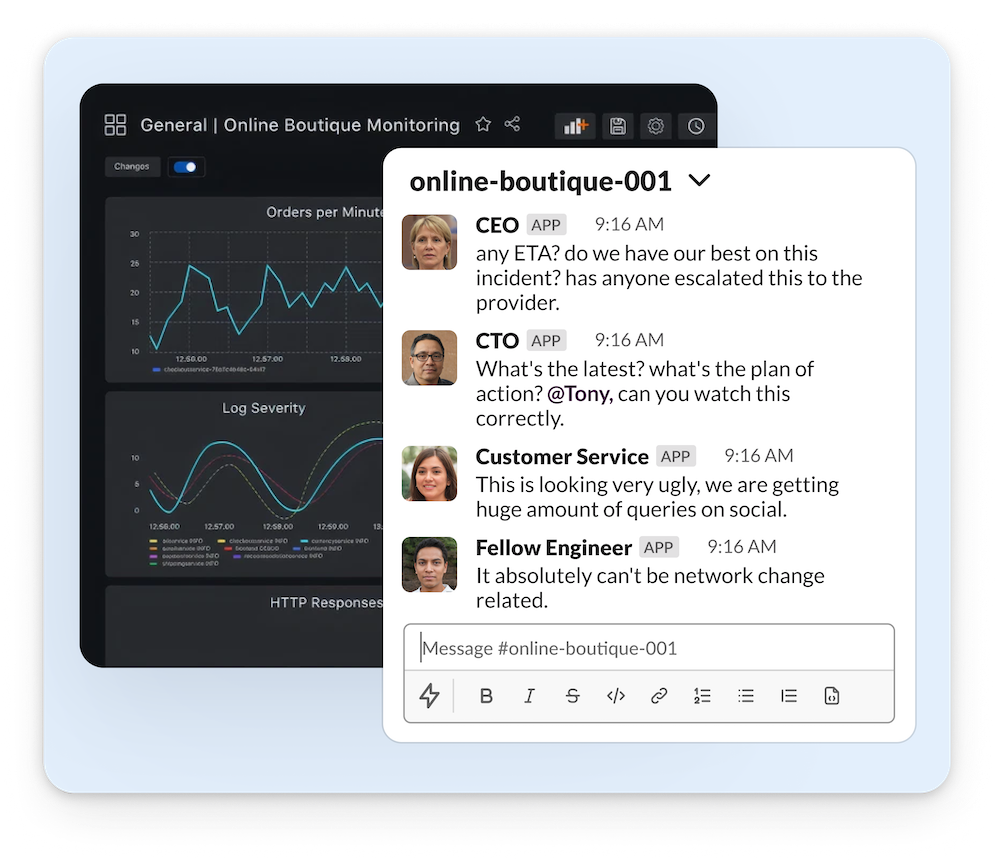
While traditional cyber ranges focus strictly on Security Operations Centre (SOC) teams hunting for malware, Uptime Labs stands out by training the SRE and DevOps engineers who actually have to keep the infrastructure running during a crisis. It is a purpose-built simulation platform designed for the realities of modern engineering.The platform delivers AI-driven, browser-based simulations that replicate both severe cybersecurity breaches (like active adversaries) and complex operational outages (like database failures). Rather than relying on theoretical tabletops, teams are dropped into a lifelike tech stack and must use logs, dashboards, and communication tools to resolve the incident under real-world pressure.What makes Uptime Labs particularly effective is its focus on reducing time to mitigation through hands-on practice. The simulations cover both technical response elements and operational coordination, ensuring engineers, incident commanders, and executives develop aligned capabilities, without the risk of any integration with production systems.The platform tracks team performance and progress over time, allowing organisations to monitor improvements and assess the impact of their cybersecurity incident response training.As Uptime Labs covers both the technical debugging and the cross-functional coordination required during a cyber attack, it is the premier choice for engineering teams looking to reduce Mean Time to Recovery (MTTR) and improve the consistency of their organisation’s incident response capabilities.
2. CyberBit Range
Best for: Hyper-Realistic Enterprise Network Simulations
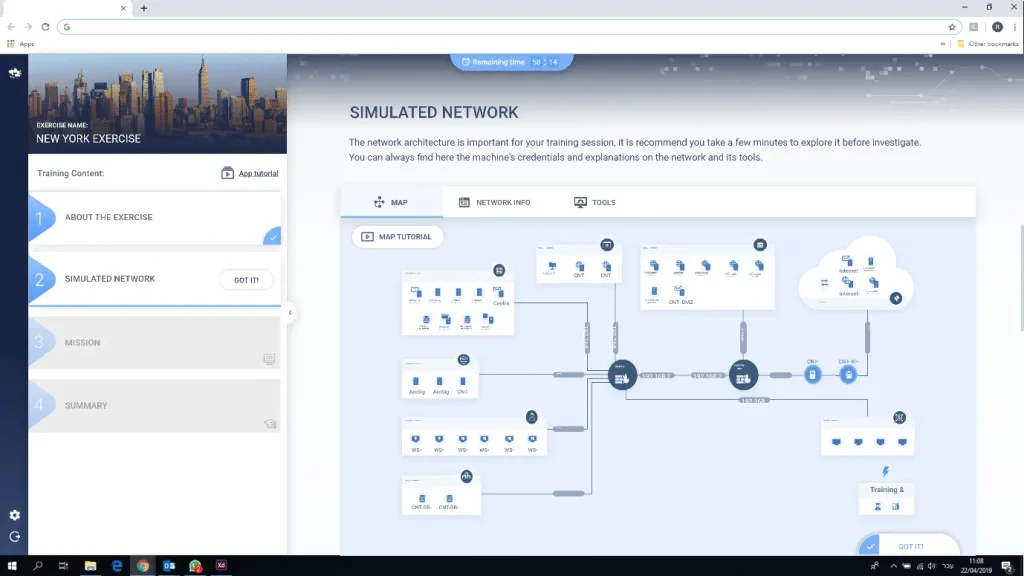
CyberBit Range offers cyber range training environments designed for security operations centres and response teams. The platform provides simulations of enterprise networks, allowing teams to practice responding to advanced persistent threats, ransomware attacks, and other security scenarios.SRE & DevOps teams can benefit from CyberBit's library of attack scenarios and the platform's ability to simulate complex network environments. The solution includes both individual skill development and team-based exercises, making it suitable for organisations wanting comprehensive security training programmes.
3. Immersive Labs
Best for: Role-Based Cybersecurity Skills Development
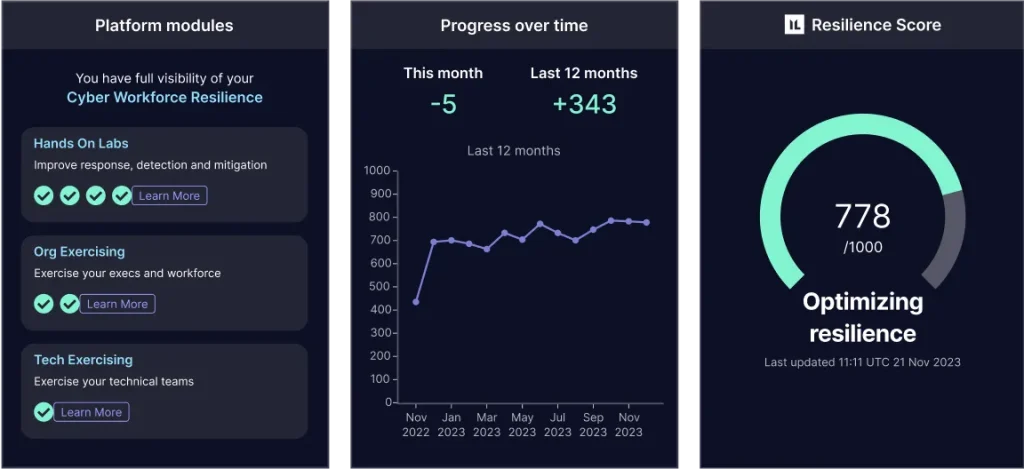
Immersive Labs delivers a content-driven platform focusing on cybersecurity skills development across various roles. The platform offers labs, challenges, and scenario-based training covering incident response, threat hunting, and defensive security operations.For engineering teams, Immersive Labs provides structured learning paths that help teams stay current with evolving threats. The platform measures skills progression over time, enabling organisations to identify capability gaps and track improvement. Its browser-based approach ensures accessibility without complex integration requirements.
4. SimSpace
Best for: Large-Scale Cyber Ranges for Enterprises and Government
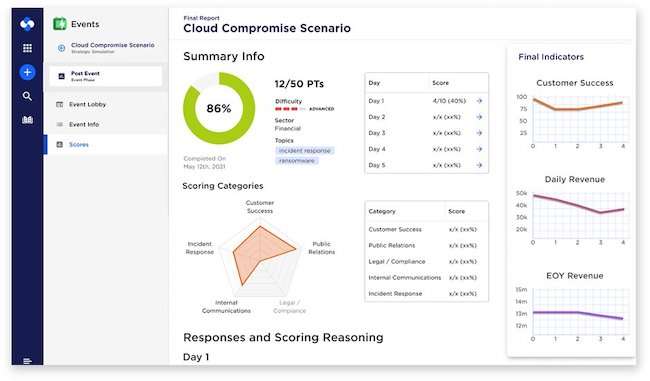
SimSpace operates large-scale cyber ranges designed for enterprise organisations and government agencies. The platform creates high-fidelity replicas of production environments where teams can practice responding to sophisticated attacks in realistic network conditions.Operations and reliability teams working in complex enterprise environments may find value in SimSpace's detailed network simulations. The platform supports both red team and blue team exercises, allowing organisations to test their detection, response, and recovery capabilities comprehensively. These exercises also promote team building by encouraging collaboration and communication among team members during simulated cybersecurity incidents.
5. AttackIQ
Best for: Automated Adversary Emulation and Security Validation
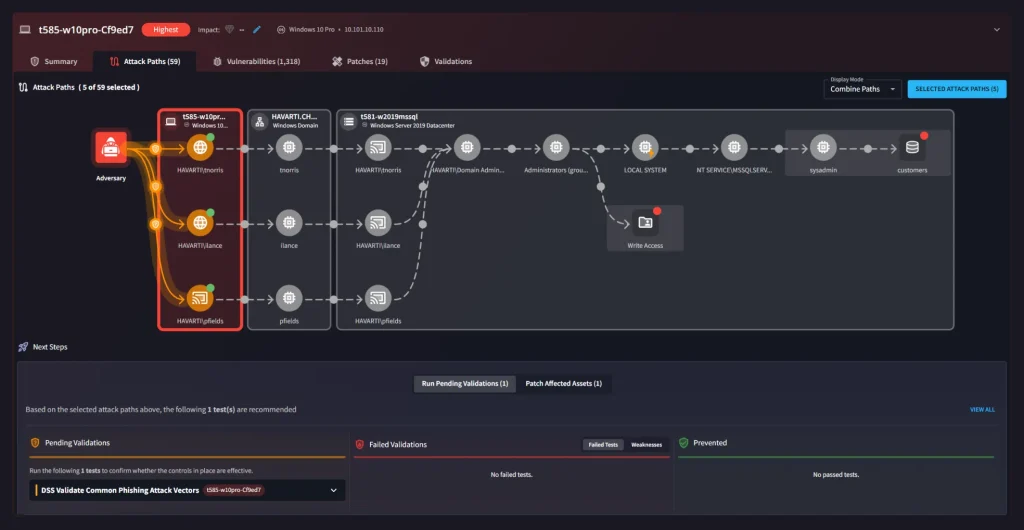
AttackIQ takes a validation-focused approach, enabling teams to continuously test their security controls and response procedures. The platform automates adversary emulation based on the MITRE ATT&CK framework, helping organisations identify gaps in their defensive capabilities.For SRE teams responsible for maintaining security posture, AttackIQ provides ongoing assurance that detection and response capabilities function as intended. The platform integrates with existing security tools, validating that alerts fire correctly and response procedures work when needed. Additionally, AttackIQ supports governance by providing oversight and validation of incident response policies and procedures, ensuring that organisations adhere to established cybersecurity frameworks and compliance requirements.
6. Cyberbit Incident Response Training
Best for: Developing Workflows and Decision-Making Under Pressure
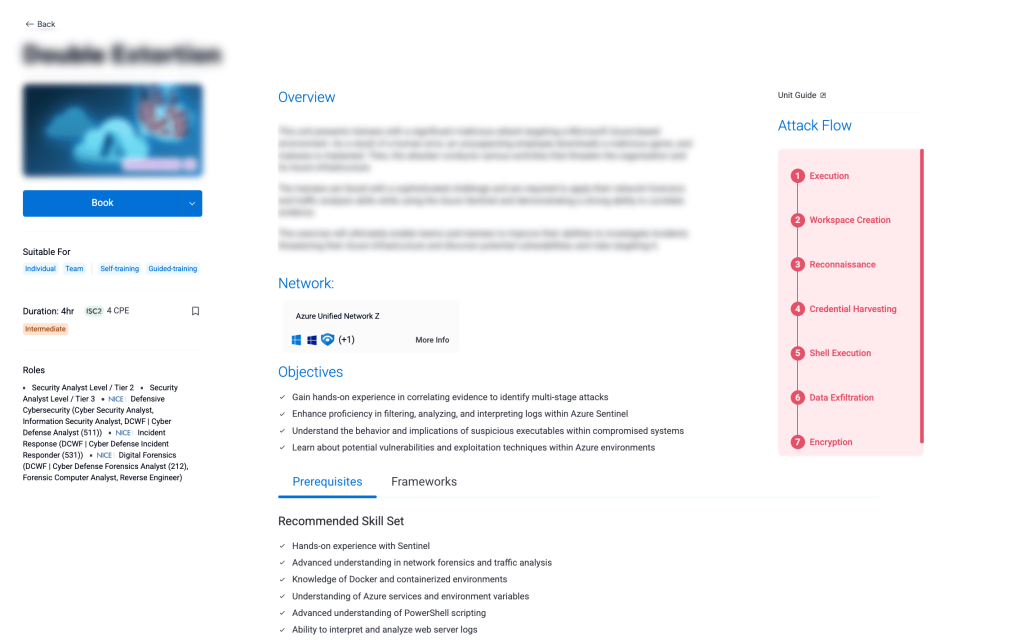
Distinct from their broader Range offering, Cyberbit's specific incident response training focuses on developing the workflows and decision-making processes critical during security incidents. The platform simulates the chaos and pressure of real incidents, training teams to follow established playbooks whilst adapting to evolving situations.During these high-pressure scenarios, the platform provides ongoing support for teams, offering technical, managerial, and emotional assistance to help them navigate urgent security breaches effectively.Reliability and response teams benefit from the emphasis on coordination between technical responders and incident managers. The platform tracks team performance, highlighting areas where communication breaks down or response procedures require refinement.
7. RangeForce
Best for: Cloud-Hosted Modular Training for Distributed Teams
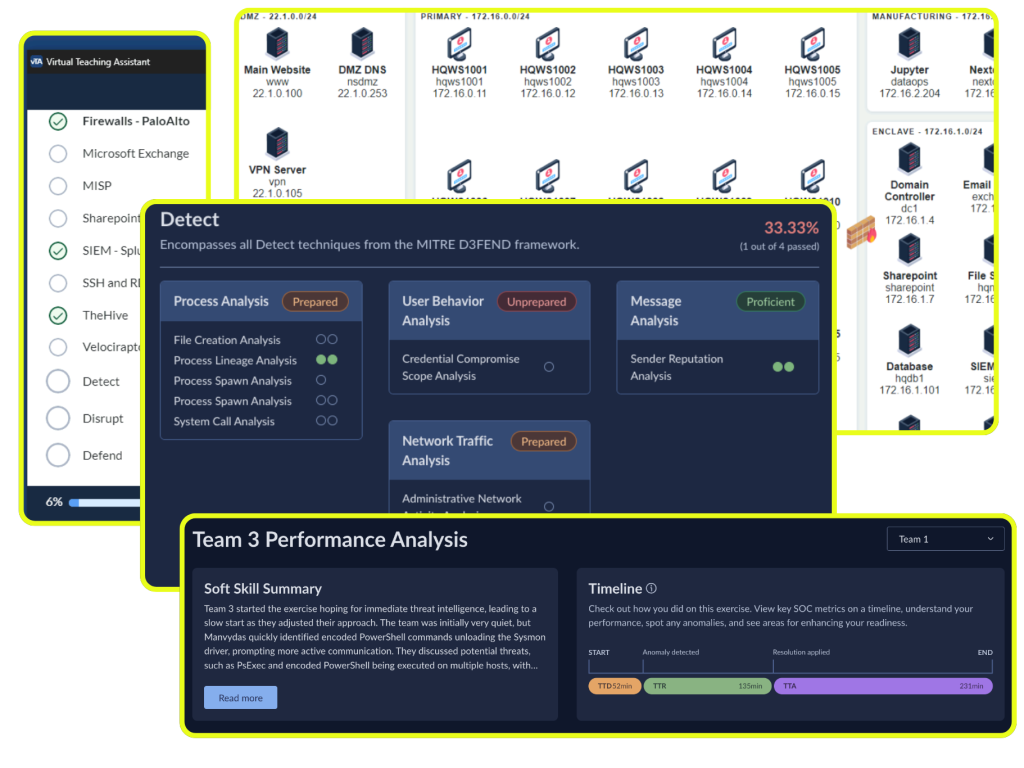
RangeForce delivers skills-based cybersecurity training through cloud-hosted labs and scenarios. The platform offers both individual skill modules and team-based incident response exercises, with content spanning defensive operations, incident handling, and security engineering.Engineering and Ops teams appreciate RangeForce's modular approach, which allows targeted training on specific capabilities. The platform requires no infrastructure setup and scales easily across distributed teams, making it accessible for organisations of various sizes.
Choosing the Right Platform for Your SRE & DevOps Team
Selecting an incident response training platform requires evaluating your team's specific needs. Consider whether you need pure security incident training or broader operational incident capabilities. Assess how easily the platform deploys (extensive integration requirements can create barriers to adoption). Examine whether the training scenarios reflect the actual incidents your team faces, ensuring they are well prepared.The most effective platforms enable regular, repeated practice that builds genuine confidence and capability. Teams that invest in consistent incident response training perform measurably better during real incidents, reducing both detection time and recovery duration. Some platforms also offer certification upon completion, which validates expertise and can enhance career prospects for the future. Look for solutions that make frequent training practical rather than burdensome.SRE & DevOps teams bridge technical response and operational continuity. Your training platform should reflect this reality, developing capabilities across the full incident lifecycle from detection through resolution. The seven platforms outlined here each offer distinct approaches to this challenge, with varying emphases on security-specific scenarios versus broader operational readiness. For a wider comparison including non-cybersecurity-focused options, see our guide to the best incident response training providers.Investing in a proper incident response training platform transforms your organisation's resilience. When facing cybersecurity incidents, prepared teams respond with confidence rather than panic, following established procedures whilst adapting to unique circumstances. The right training platform makes this preparedness achievable for every modern engineering team.
Edward Page (Community Contributor)