
Get your free Incident Roles & Responsibilities guide
A practical, human-centred incident response framework designed for the chaos of real incidents.
This free template helps teams clearly define roles, responsibilities and coordination practices during high-stress incidents. Built from real-world incident management experience, it helps organisations unlock pre-existing expertise.
Trusted by teams building world-class incident response












A Thoughtful, Practical View at Modern Incident Management Practices
The template comes with all the essentials. No guesswork, no missing pieces, just what works.

Morgan Collins
Clear roles, without rigid hierarchy
Clarifies commonly used incident roles while remaining flexible enough to adapt to your company’s size, tools and incident culture.
Reduces confusion about who is leading and who is doing what, resulting in less duplicated effort and fewer stalled decisions.
Makes it easier to bring new responders up to speed, even mid-incident.
.webp)
Designed for coordination under pressure
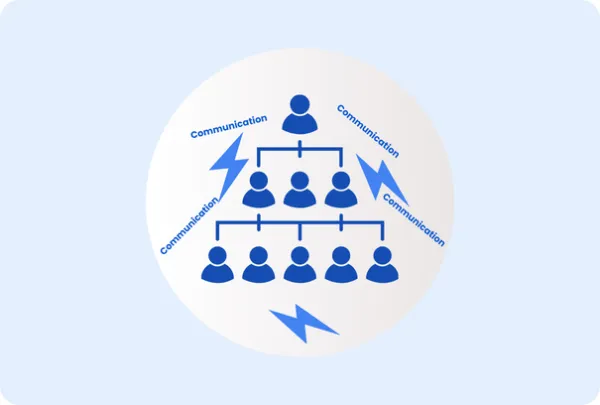
Supports fast, effective coordination during high-stress, time-compressed incidents by clearly defining ownership, responsibilities and communication paths.

Improved communication during incidents
Establishes shared norms for where and how incident communication happens.
Reduces conflicting and distracting information flows.
Helps responders focus on coordination instead of status confusion.

FAQ
Is this a checklist or a runbook?
.svg)
The template covers multiple IC program structures, including lightweight models suited to smaller teams or lower incident volumes. The core principles of clear communication, role separation,and coordination apply regardless of the team size or incident frequency.
Is this useful if we already have an incident response process?
The template covers multiple IC program structures, including lightweight models suited to smaller teams or lower incident volumes. The core principles of clear communication, role separation,and coordination apply regardless of the team size or incident frequency.
What does the template include?
The template covers multiple IC program structures, including lightweight models suited to smaller teams or lower incident volumes. The core principles of clear communication, role separation,and coordination apply regardless of the team size or incident frequency.

Ready to make incident response your competitive advantage?
See how Uptime Labs builds provable, scalable incident response capability across your financial services organisation.